
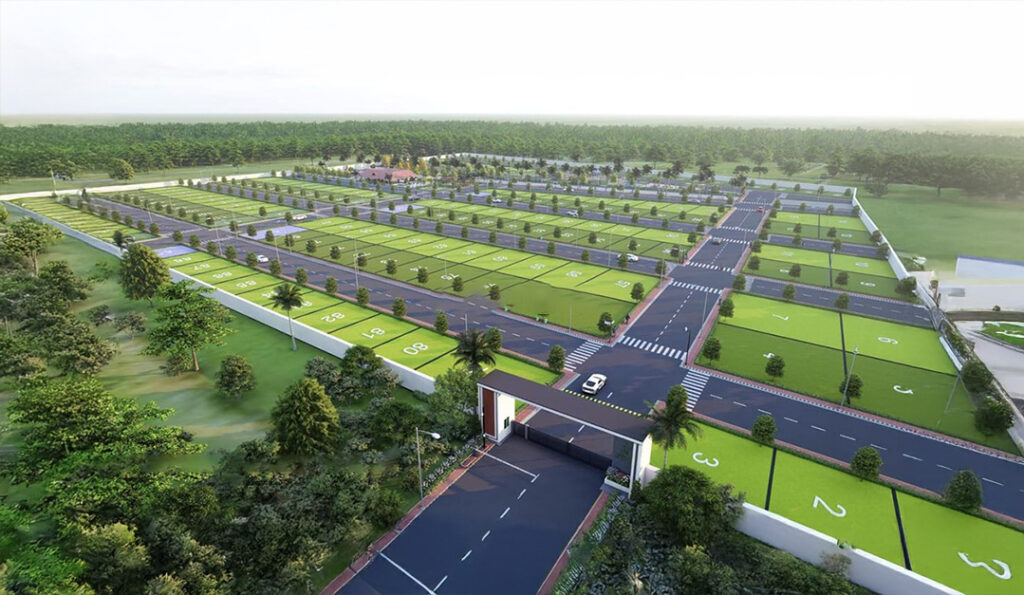
Buying an open plot of land is often a significant life investment. It’s a dream for many to own a piece of real estate, especially in growing cities like Hyderabad. You save up, find the perfect location, make the full plot payment, and then you wait for the final step: the registration of the plot. But what happens when weeks turn into months, and your plot registration never materializes, even though you have paid every penny?
This frustrating and often worrying situation is surprisingly common and can be a sign of deeper, serious issues with the property or the seller. This comprehensive guide, written in simple, clear language, will walk you through the primary reasons why some open plots never get registration after payment. We will explore the common pitfalls, legal implications, and steps you can take to safeguard your investment.
Understanding the Importance of Plot Registration
Before diving into the problems, it’s crucial to understand why plot registration is the single most important step in the entire process. Plot registration is the legal process of recording the transfer of ownership of the open plot from the seller to you in the official government records (Sub-Registrar’s office).
- Legal Ownership: Until the plot is registered in your name, you are not the legal owner, regardless of having a sale agreement or having made the full payment.
- Proof of Title: The registered sale deed is your conclusive proof of ownership, protecting you from future claims or fraud.1
- Future Transactions: You cannot sell, mortgage, or legally develop the open plot without a registered title.
The failure to complete this critical step leaves your investment extremely vulnerable.
5 Critical Reasons Why Your Open Plot Registration Is Stalled
When a developer or seller accepts the full payment for the plot but delays or avoids the registration, it almost always points to an underlying problem that they are trying to conceal. Here are the five most common and serious reasons:
1. The Plot Lacks Clear and Marketable Title
This is the most frequent and dangerous reason. Title clarity means the seller has the undisputed legal right to sell the open plot. If the plot’s title is not clear, the registration process will be immediately halted by the Sub-Registrar’s office.
- Disputes Over Ownership: The open plot might be currently involved in a legal dispute, possibly over inheritance (family partition issues), boundary lines, or ownership claims by other parties. The registration cannot proceed until the court resolves the dispute.
- Encumbrances or Mortgages: The seller might have taken a loan (mortgaged the land) against the open plot and hasn’t cleared the debt. No buyer can register a property that has a legal charge (encumbrance) on it until the seller clears the loan and provides a ‘No Objection Certificate’ (NOC) from the bank or lender. This is a common form of real estate fraud.
Focus Keyword: plot title issues
2. The Project Lacks Necessary Government Approvals
Any open plot or real estate layout must receive various permissions from local authorities like the Directorate of Town and Country Planning (DTCP) or the Hyderabad Metropolitan Development Authority (HMDA) in Hyderabad. These approvals ensure the land is suitable for residential use and has the necessary infrastructure plans.
- Unapproved Layouts (Illegal Plots): The seller might be selling unapproved plots from an illegal layout that has not received the mandatory clearances. The Sub-Registrar’s office will refuse to register unapproved plots as it is a violation of planning regulations.
- Pending Infrastructure Completion: Sometimes, the developer has a conditional approval, meaning they must complete certain infrastructure works (roads, drainage, water lines) before the final registration is allowed. If the developer is financially stressed and hasn’t completed this work, the registration gets blocked.
Focus Keyword: unapproved plots
3. Issues with Land Use Conversion or Zoning
Agricultural land must be legally converted to non-agricultural (NA) or residential land before it can be used for building homes. This process involves paying certain fees and getting official permission.2
- Agricultural Land Status: The open plot may still be legally classified as agricultural land. A plot registration for residential purposes is impossible until the official change of land use (zoning) is completed. Developers often promise this conversion but delay it to save money or due to procedural difficulties.
Focus Keyword: land use conversion
4. Non-Payment of Statutory Dues and Taxes
The seller or developer is legally obligated to pay all property taxes, betterment charges, and development fees up to the date of registration.
- Unpaid Property Taxes: If there are significant accumulated taxes, cesses, or development fees due to the local municipality or government, the registration authority will not process the sale deed until these arrears are cleared. The developer often uses the buyer’s payment for other purposes instead of clearing the dues, leading to the stall.
Focus Keyword: unpaid plot taxes
5. Seller’s Financial or Legal Distress (Developer Fraud)
In many concerning cases, the delay is due to outright developer fraud or the seller’s financial insolvency.
- Selling to Multiple Buyers: The developer might have illegally sold the same open plot to multiple buyers (double registration), hoping to complete the first registration with one party and disappear. The registration process stops as soon as the fraud is discovered.
- Financial Distress: The developer might be facing bankruptcy or severe financial difficulty, using the buyer’s money to service other debts rather than paying the required registration charges or statutory dues, thus freezing the process.
Related Keywords: developer fraud, real estate fraud, double registration
Steps to Take When Your Plot Registration is Delayed
If you have made a full plot payment and the registration is stalling, you must act quickly.
1. Issue a Formal Legal Notice
Send a formal legal notice to the seller or developer through a reputable lawyer. The notice should clearly state the date of full payment, the agreed-upon date for plot registration, and demand immediate completion of the sale deed transfer within a specified period (e.g., 15-30 days).
2. Verify Property Documents Yourself
Do not rely solely on the developer’s assurances. You need to personally verify the essential documents:
- Encumbrance Certificate (EC): Obtain an EC from the Sub-Registrar’s office for the plot for the past 13 to 30 years.3 This will show if the open plot has any existing mortgages or legal claims.
- Title Deed & DTCP/HMDA Approval Letters: Insist on seeing the original approved layout plan and the official letter from DTCP/HMDA. If they refuse, it’s a major red flag.
3. Lodge a Complaint with RERA
In India, if the open plot is part of a project covered by the Real Estate (Regulation and Development) Act (RERA), you must lodge a complaint with your state’s RERA authority. RERA is designed to resolve disputes between buyers and developers and holds significant power to order the developer to complete the plot registration or refund your money with interest.4
Related Keywords: RERA complaint, legal action for plot registration
Simple Tips to Avoid Unregistered Plot Problems
Prevention is always better than cure. Follow these steps before making the full plot payment:
- Always Verify Approvals: Before booking the open plot, physically verify the DTCP/HMDA approvals. Check the official website of the authority to confirm the layout is officially sanctioned.
- Conduct a Title Check: Hire a competent and independent real estate lawyer to perform a thorough plot title check and search for encumbrances. This is a non-negotiable step.
- Use a Clear Sale Agreement: Ensure your sale agreement clearly states the final date for plot registration and includes a penalty clause (or refund provision) if the seller fails to meet this deadline.
- Avoid Full Payment Until Registration: The safest practice is to pay only an advance amount and hold back the significant final payment (e.g., 20-30% of the sale price) until the very day of registration at the Sub-Registrar’s office. Never hand over the final money weeks in advance.
Focus Keyword: safe plot purchase
Conclusion: Securing Your Real Estate Investment
The dilemma of an open plot that never gets registration after full payment is stressful, but understanding the root cause—usually plot title issues, unapproved plots, or developer fraud—is the first step toward resolution. Legal ownership is only guaranteed by a registered sale deed. Always prioritize thorough due diligence, including a title check and verification of all government approvals, to ensure your safe plot purchase. If you find yourself in this situation, immediate legal action and a complaint with RERA are your best courses of action.
Call to Action
If you are looking for genuinely clear-title, RERA-approved open plots for sale in Hyderabad with instant registration, visit the trusted platform at https://plotsforsalehyd.in. We ensure 100% legal compliance and transparency to make your investment safe. Our commitment to secure real estate transactions is overseen by real estate expert Karna Raju, who advocates for buyer protection and clear documentation, helping you avoid the pitfalls of unapproved plots and delayed registrations. Make your next investment a secure one.
Frequently Asked Questions (FAQs)
- What is the maximum time for plot registration after payment?There is no single legal maximum, but a standard sale agreement usually stipulates that plot registration must be completed within 30 to 90 days of the full payment, provided all documents are in order.
- What is the difference between a sale agreement and a registered sale deed?A sale agreement is a promise to sell (a contract) and does not transfer ownership. A registered sale deed is the final legal document, registered with the government, that officially transfers legal ownership of the open plot to the buyer.5
- Can I get a refund if the developer is unable to complete the plot registration?Yes. If the developer breaches the sale agreement by failing to register the plot, you are legally entitled to a full refund of the amount paid, often with interest, especially when taking legal action or approaching RERA.
- Is it legal to buy an open plot that is still under agricultural land status?While you can sign a preliminary agreement, the final plot registration for residential use is not legal until the land has been officially converted to non-agricultural (NA) land and has received the correct zoning approval.
- How can I check if a plot has a mortgage or loan against it?You must ask the seller for the latest Encumbrance Certificate (EC) from the Sub-Registrar’s office. An EC will clearly show if the open plot is currently mortgaged (has a charge) with any bank or financial institution.
- What are the biggest risks of buying unapproved plots?The biggest risks are that the government can demolish any construction on unapproved plots, you will never get a registered title, and the open plot will have zero resale value, leading to a complete loss of investment.
- What is DTCP or HMDA approval and why is it mandatory for open plots?DTCP (Directorate of Town and Country Planning) or HMDA (Hyderabad Metropolitan Development Authority) approval is the clearance from the planning authority that confirms the open plot layout is legal, has provision for roads, parks, and is suitable for residential construction.6
- Can a lawyer help me get my plot registered if the seller is delaying?Yes, a lawyer can draft and send a formal legal notice, file a specific performance suit in court to compel the seller to complete the plot registration, and represent you in a RERA complaint.
- What happens to my money if the plot has title issues?If the plot has severe plot title issues and registration becomes impossible, you will need to take legal action to recover your full payment from the seller, which can be a long process, highlighting the risk of real estate fraud.
- Is it safe to pay the registration and stamp duty charges directly to the developer?It is safer and highly recommended that you pay the final registration and stamp duty charges directly to the government/Sub-Registrar’s office on the day of the deed transfer, rather than giving this money in advance to the developer.
